
Welcome to Mexico, a charming land known for its hospitality, tradition, and breathtaking scenery.
With its lively cities, magnificent beaches, and magical landscapes, Mexico offers a one-of-a-kind and spectacular travel experience.
But before you embark on a journey through Mexico, you want to know the things you should keep in mind to make the most of it, right?
So, let us be your traveling companion! We’ll introduce you to Mexico’s landscape, climate, history, laws, and culture. We share everything — from insider tips on the best places to stay, eat, and play to detailed information on top attractions and must-see destinations.
About Mexico: Where Every Corner is a Fiesta!
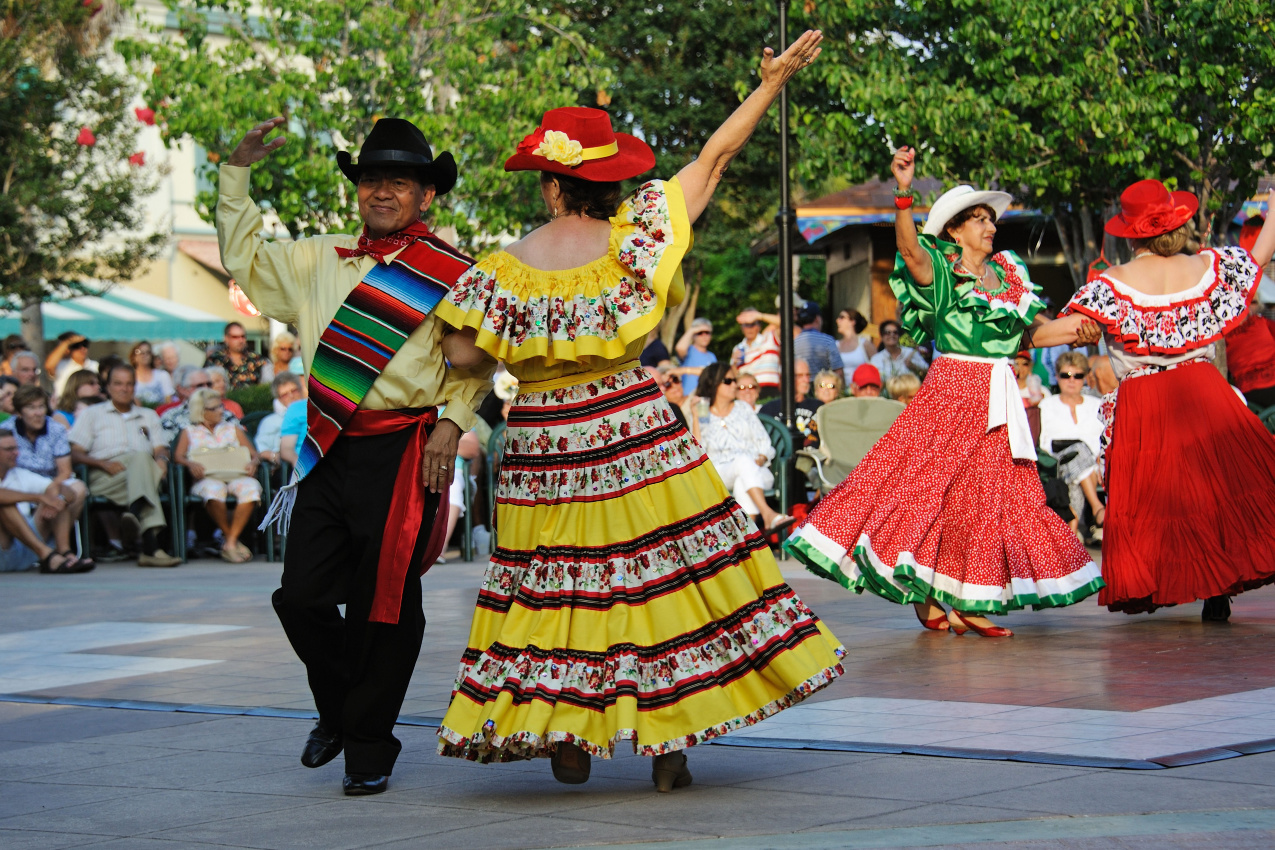
In Mexico, adventurers, foodies, and history enthusiasts can all find something to enjoy. Let’s learn more about Mexico and what makes it a worthwhile journey.
You can also check out our 30 Fun Facts About Mexico.
What Is the Official Language of Mexico?
The official language of Mexico is Spanish. However, over 60 indigenous languages are spoken in Mexico, including Nahuatl, Maya, Zapotec, and Mixtec. Indigenous communities primarily speak these languages in rural areas.
English is also spoken in many tourist areas of Mexico, particularly in popular destinations such as Cancun, Los Cabos, and Puerto Vallarta. However, English is less common outside of these areas, and travelers may need to rely on basic Spanish phrases or translation apps to communicate.
What Is the Currency of Mexico?
The Mexican peso (MXN) is Mexico’s official currency. Mexican peso bills come in values of 20, 50, 100, 200, 500, and 1000 pesos. Each peso is equivalent to 100 centavos, or cents. There are coins with denominations of 1, 2, 5, 10, and 50 centavos and banknotes with denominations of 20, 50, 100, 200, 500, and 1000 pesos.
For reference, one US dollar is equal to 18 pesos. US dollars are also widely accepted in tourist areas, but having some pesos on hand for smaller purchases is always a good idea.
The Weather in Mexico
In Mexico, the weather is sometimes turbulent but mostly delightful! Depending on when you visit the country, you may stumble upon two seasons: the dry and the rainy season.
The dry season lasts from November to April, with pleasant temperatures and little humidity.
The rainy season lasts from May to October, characterized by higher temperatures, increased humidity, and frequent afternoon thunderstorms.
What Is the Temperature Like?
Mexico has a warm, pleasant temperature that almost never goes below zero °F. Coastal regions tend to be warmer and more humid, whereas central and northern locations at higher altitudes are often colder.
During the winter months (from mid-December to mid-March) in the regions at higher altitudes, daily temperatures range from the low 50s to the mid-70s°F (10-24 °C), with overnight lows between 30 and 40°F (0-10°C).
On the other hand, summer months (from June to September) are scorching over much of Mexico, particularly in low-lying places. Daytime temperatures can reach up to mid-90s°F (35°C), whereas in the evening, the temperature may drop to 70s°F (25°C).
Travel Guide for 2023: Let’s “Taco-Bout” Your Trip to Mexico

Now that you know more about Mexico, let’s share essential advice for the ideal Mexico vacation, including suggestions on where to go, what to see, and how to get around.
Whether you’re searching for a leisurely beach holiday, a cultural experience, or a combination of the two, get ready to leave your heart in Mexico!
Visa Requirements for Traveling to Mexico
Tourists from many countries around the world, including those from the United States, Canada, the European Union, Japan, the United Kingdom, Australia, and New Zealand, do not require a visa for stays of up to 180 days.
Check with the Mexican embassy about the entry requirements for your country.
Visitors who intend to stay in Mexico for more than 180 days or work or study in the country must apply for a visa.
Every traveler to Mexico needs a passport that is still valid for at least six months. Travelers that stay for up to 180 days in Mexico also need a tourist card, also known as an FMM (Forma Migratoria Múltiple), which can be obtained upon arrival in Mexico or online in advance.
Visa requirements might change, so it’s always a good idea to contact the Mexican embassy or consulate in your area to learn the latest rules and regulations.
What to Pack?
Packing for Mexico depends on the season and activities you have planned. However, there are some general packing tips to keep in mind.
For starters, Mexico is renowned for its warm and humid climate. Therefore wearing light, comfortable clothes is essential. Pack clothing that will keep you cool and comfy, and to protect yourself from the sun, bring sunscreen, sunglasses, and a hat.
In Mexico, there are many historic ruins and cobblestone alleys you’ll probably want to visit, so you must wear comfortable shoes. A pair of sandals or sneakers with good arch support is a comfortable, breathable option.
Don’t forget your water bottle and bug spray! You’ll be moving around a lot, so drinking plenty of water throughout the day and protecting yourself from mosquitoes or other biting insects is important.
Mexico is a photographer’s paradise, so don’t forget to bring your camera. You’ll also need a power adapter to charge your camera, smartphone, and other devices if you’re coming from a country with a different type of electrical outlet than Mexico (the outlets in Mexico are type A and type B).
Lastly but most importantly, bring your passport and any other essential travel documents. Credit and debit cards are accepted in Mexico, but it’s always a good idea to have cash on hand, especially for smaller purchases and in case of emergencies.
All in all, bring the essentials, and don’t overpack! Your trip needs to be comfortable and enjoyable.
Travel Budget for Mexico
Mexico is a country that caters to travelers on any budget, from shoestring backpackers to luxury seekers, offering a range of experiences at different price points.
Your specific travel preferences will determine how much it will cost you to travel to Mexico, but as a general estimate, the following table shows the projected costs for housing, eating out, transportation, and activities you’ll engage in while there.
| Mexico Travel Budget | |
| Accommodation (per night) | |
| Hostel | $10-$25 |
| Budget-friendly hotel | $25-50 |
| Mid-range hotel | $50-100 |
| High-end hotel | $100-500 |
| Transportation (per ride) | |
| Bus | $0.50-2 |
| Metro | $0.25-0.50 |
| Taxi | $3-10 |
| Rental car | $30-50 |
| Food (per meal) | |
| Street food | $1-5 |
| Budget-friendly restaurants | $5-15 |
| Mid-range restaurants | $15-30 |
| High-end restaurants | $30-100+ |
| Activities & attractions | |
| Museums and historical sites | $3-10 |
| Tours and excursions | $30-100 |
| Outdoor activities | $10-50 |
In summary, you are likely to spend around $30-50 daily on a small budget, $50-100 on an average budget, and $100+ on a high-end budget.
Remember, these are only estimations, and your actual expenses might differ.
The Best Time to Visit Mexico
The ideal period to go to Mexico will depend on your travel pursuits, as the country boasts a diverse temperature and various events and activities to enjoy throughout the year.
The dry season, which lasts from November to April, is typically the most incredible time to visit because the weather is sunny and dry. If you want to avoid crowds, skip peak season from mid-December to mid-January and the week preceding Easter Sunday.
Your planned activities will also influence the ideal time of year to visit Mexico. For instance, January to March is the perfect season for whale watching. If you are more of a beach person, the best time to visit Mexico is in the dry season, from November to April.
Mexico has a vibrant cultural legacy; many festivals and events are organized yearly, honoring music, food, and art! Some well-known events include the Guelaguetza event in July, the Carnival in February, and the Day of the Dead in November. If you aim to experience festivities, plan your trip around these events!
Overall, the dry season, which lasts from November to April, is the ideal time to visit Mexico. This is the period when the weather is warm and sunny, so your tourist walks will be more enjoyable. However, other seasons might be more suitable for your requirements!
Everything depends on the kind of trip you want to have!
Mexico’s Most Stunning Destinations
Choosing a place to visit in Mexico can be challenging. There are many exciting places to see, but no matter what you decide, you’re in for a treat.
Below are Mexico’s most stunning locations.
Mexico City: Colorful, Vibrant, and Full of Surprises
Mexico City is a thriving metropolis rich in culture, history, and charm. There is no shortage of things to see and do in this beautiful city — from vibrant districts to stunning architecture and top-notch museums.
If you are a fan of Mexican cuisine, then Mexico City is the place for you. Here, you can dine in top restaurants serving lavish Mexican cuisine or stroll the streets and absorb the city while munching down on street tacos and tamales.
You won’t be disappointed if you’re seeking nightlife events, as the city has a vibrant bar and club culture that appeals to all tastes!
Cancun: Where Only the Nightlife Is Hotter Than the Sun
With almost 14 miles of white sand beaches, Cancun is a beach lover’s dream come true. Swimming, snorkeling, scuba diving, jet skiing, and parasailing are just a few water sports available to visitors.
The city is separated into two main areas: the downtown section, where residents and visitors can enjoy a more genuine Mexican experience, and the Hotel Zone, a lengthy stretch of hotels, eateries, and stores built along the beach.
Cancun is well-known for its historic Mayan ruin sites that no visitor should miss. After touring the Mayan ruins, you’ll get hungry, and Cancun will satisfy your cravings with delicious and authentic Mexican food and international fare.
When night falls, Cancun will provide you with an experience to remember. With a wide range of pubs, clubs, and restaurants, it offers a lively environment that will undoubtedly leave you with many memories.
Playa Del Carmen: Get Ready for Sandy Toes and Salty Kisses
What better way to unwind than by chilling on one of Playa Del Carmen’s magnificent beaches with silky white sand and turquoise waters?
Beach lovers who wish to relax and soak up some sun should definitely head to Playa Del Carmen, but this destination has a lot more to offer. Playa Del Carmen has a thriving food and nightlife scene, from casual beach bars to upscale restaurants and clubs.
For adventurers, Playa del Carmen is also an excellent base for exploring the surrounding region, including day tours to the neighboring Mayan ruins, swimming in cenotes, snorkeling, and scuba diving in the Mesoamerican Barrier Reef.
Tulum: Where the Jungle Meets the Sea
Tulum is a coastal town in Mexico’s Riviera Maya region famous for its immaculate beaches, dazzling waters, and mystical Mayan ruins.
A gorgeous jungle surrounds the town and hosts a number of eco-friendly resorts and yoga retreats. Tulum is also a popular cenote diving and snorkeling destination, as it’s close to many of the Yucatan Peninsula’s famous underwater sinkholes. Tulum is a must-see place for travelers who prefer to relax and eat mouthwatering food, and the only rush they’ll experience is the sound of the waves.
Puerto Vallarta: Where the Sunsets Are Golden, and the Margaritas Are Endless
On Mexico’s Pacific coast sits the well-known tourist destination of Puerto Vallarta. It’s renowned for its magnificent beaches, exciting nightlife, and extensive cultural history.
Here you’ll find the ancient Old Town, adorned with quaint cobblestone streets, vibrant buildings, and classic Mexican architecture. In addition, the city boasts a thriving art culture, with many galleries and studios showing the creations of regional artists.
Outdoor pursuits, including swimming, hiking, and water sports, are also trendy in Puerto Vallarta. Along with its stunning natural surroundings and diverse cultural attractions, Puerto Vallarta is renowned for its top-notch dining scene.
All things considered, Puerto Vallarta is an excellent choice for anyone seeking a blend of culture, adventure, and leisure.
Cabo San Lucas: Life Is Better Under the Cabo Sun
In the Mexican state of Baja California Sur, the beautiful city of Cabo San Lucas sits at the southernmost point of the Baja California Peninsula.
Cabo San Lucas has everything, from stunning beaches, exciting nightlife, and top-notch golf courses to adventure sports like snorkeling and scuba diving. Some of the most breathtaking natural landscapes you must see here are the El Arco de Cabo San Lucas, the famed natural rock formations.
The city is also a well-liked location for luxury yachting and sailing. Visitors use these voyages to explore the gorgeous seas of the Pacific Ocean and the Sea of Cortez. The combination of natural beauty, adventure, elegance, and leisure that Cabo San Lucas offers makes it a must-visit location for tourists.
Best Places to Stay in Mexico
No matter where you go in Mexico, you’re bound to find a place to stay that will take your breath away. Whether it’s a cozy casita in the jungle or a luxurious beachfront villa, we’ll list a range of accommodations to suit all tastes and budgets.
Hostels
Mexico City
- DF Hostel is one of the closest hostels to the international airport of Mexico City, only a two-minute ride! The colorful hostel is rated 7.9 on Booking and offers guests free Wi-Fi and breakfast. Some rooms come with private bathrooms and a TV. The historic district of Mexico City is a 20-minute drive away, while the Oceania Metro Station is a 15-minute walk.
- Mexico City Hostel is situated in Mexico City’s historical center, only a four-minute walk from Zocalo Square. The hostel offers free Wi-Fi in communal areas, a shared kitchen, and some bedrooms have private bathrooms. The hostel has an 8.7 rating, with couples praising it as an excellent option for a two-person trip.
Cancun
- Mayan Monkey is located only 200 meters from Playa Chac Mool, overlooking the beautiful landscapes of Cancun. The hostel is rated 8.9 on Booking and features an outside pool, a bar, parking, a terrace, a shared kitchen, a nightclub, and a restaurant. The rooms have free WiFi, air-conditioning, and private bathrooms.
- Nomads Hostel & Rooftop Pool is situated in downtown Cancun, about a three-minute stroll from the central bus station. A lovely 8.2-rated residence with a rooftop pool, bar, and cozy lounge space! The hostel has rooms with comfortable wooden beds, air conditioning, and free Wi-Fi. The dorm bunk beds have privacy curtains, plugs, and reading lamps.
Tulum
- Hostel Oryx is set in the heart of Tulum, 4.6 kilometers from the Tulum Archeological Site and 500 meters from the Tulum Bus Station. The accommodation has a shared kitchen, complimentary breakfast, and WiFi. There is a beautiful outdoor swimming pool, a garden, and a communal lounge. The hostel has an 8.9 rating on Booking and offers bike and auto rentals.
- Chill Inn is ideally located within 3.8 kilometers of the Tulum Archeological Site. Chill Inn Hostel provides a delicious continental breakfast and free WiFi throughout the facility. You may relax in their garden or on the patio found in every room. The rooms at Chill Inn Hostel include a private bathroom and bed linen. Booking rates this hotel with 8.1, with guests stating they felt at home.
Budget-friendly Hotels
Mexico City
- Hotel PF is situated in the historic center, near cultural landmarks such as the Chapultepec Castle. The hotel has a fitness space, a restaurant that serves International-style food, and a lobby bar where guests can unwind with a drink. The hotel is highly rated, with an overall score of 8.8.
- Hotel Isabel is located in the heart of Mexico City, just a 5-minute walk from the Cathedral and the Zócalo Main Square. The hotel has a lovely-decorated courtyard where guests can socialize, while some rooms have balconies for private relaxation. There is a dining establishment and a bar. Each room has a safe, TV, sofa, WiFi, and bathroom. The hotel is rated 8.0.
Cancun
- Hotel Los Girasoles is located in the heart of Cancun, just five minutes from the city’s stunning Caribbean beaches! The property has completely furnished studios with cable TV, WiFi, and air conditioning. Additionally, there is a tiny kitchenette with a refrigerator and sink. The hotel has an excellent 8.6 rating on Booking.
- Hotel Bonampak, an attractive lodging choice in the heart of Cancun, provides cozy accommodations and a pleasurable stay. The hotel has WiFi access, a beautiful outdoor pool, and a magical garden. The rooms are cozy and modern, with flat-screen TVs, private bathrooms, and beautiful balconies overseeing the city. The overall score is 8.6.
Tulum
- Maison Hotel, situated two blocks from downtown Tulum, will give you the impression that you are in Wonderland. The rooms are as enchanted and colorful as possible while cozy and well-furnished. The hotel also has a restaurant, a pool, and a rooftop deck. The rating on Booking for this fantastic hotel is 9.0.
- Coco Tulum Zen Zone is a beachfront hotel with elegant cabanas and cozy rooms. The hotel is designed in a bohemian style, with each room having Wi-Fi and stunning views of the Caribbean Sea or the enthralling jungle. The hotel features a beach, spa, and restaurant specializing in Mexican and Italian food. The rating for this magical resort is 8.0.
Mid-range Hotels
Mexico City
- Hotel Carlota is no more than 100 meters from the famed Paseo de la Reforma Avenue and a five-minute walk from the Reforma 222 shopping center. Hotel Carlota has elegant rooms with modern designs and a lively environment. It has a restaurant as well as a rooftop deck. The hotel has an outdoor pool open all year and free Wi-Fi throughout. The overall rating on Booking is 7.9.
- Zocalo Central is located near the National Cathedral and housed in a structure that dates back to the 1890s. Guests can dine on the restaurant’s roof-top terrace, which overlooks the famous Zocalo plaza, or unwind in complete quiet at the hotel’s steam room. The rooms have modern décor, a flat-screen TV, a work desk, and a big private bathroom. The hotel has an outstanding 9.3 rating.
Cancun
- Hotel Antillano is in the heart of Cancun. The charming mid-range hotel has a cool pool, a restaurant where you can eat after exploring the city, and a bar where you can relax with a drink. The overall score is 7.6.
Tulum
- Hotel Ma’xanab‘s central location provides quick access to Tulum’s stunning beaches and well-known Tulum Ruins. Here, ease and simplicity come together! This hotel offers comfortable, modern rooms, a gorgeous pool, a fitness center, and a lovely rooftop patio with picturesque views. The rating of the hotel is superb, with an excellent 9.0 score.
High-end Hotels
Mexico City
- Four Seasons Hotel is located in the heart of Mexico City. The hotel is Mexico City’s luxury gem brimming with sophistication and opulence. The rooms are as charming and modern as they can get, with top-notch service at all times. The hotel features a spa, fitness center, and a rooftop terrace overlooking a beautiful landscape. The rating on Booking is superb, with a 9.1 score.
- Las Alcobas is a charming boutique hotel in the upscale Polanco neighborhood. The rooms merge modern design with comfort, whereas the beautiful restaurant tempts guests’ taste buds. The hotel also features a calming spa area and a fitness center. It has an outstanding rating of 9.6.
Cancun
- Nizuc Resort & Spa is a magnificent haven in Cancun’s Punta Nizuc area. This luxurious resort features multiple swimming pools, a private beach, and a soothing spa. The rooms are air-conditioned and equipped with televisions, Wi-Fi, baths, and rainfall showers. Six restaurants feature modern Mexican, Peruvian, Asian, and Mediterranean cuisine. This hotel has a superb rating of 9.1.
Tulum
- Be Tulum Beach & Spa Resort is a rustic luxury getaway on Tulum’s gorgeous beaches. The hotel has three restaurants, a bar, and two outdoor swimming pools. The rooms are warm and inviting, emphasizing ultimate relaxation and comfort. Some units also include private pools or hot tubs.
Things to Do in Mexico
Mexico offers a wealth of activities that are just waiting to be discovered, including walking around ancient ruins, dipping into crystal-clear cenotes, and enjoying the fiery, savory food. Whatever your heart desires, Mexico has it in spades.
Introducing the endless possibilities for adventure and exploration in Mexico:
- The Palenque, Tulum, or Chichen Itza Mayan ruins
- The Copper Canyon, a series of six massive canyons in northern Mexico
- Mexico City’s historic district, the Palacio de Bellas Artes, Templo Mayor, and Zocalo
- A boat tour of the Xochimilco canals
- The National Museum of Anthropology
- The ancient ruins of Teotihuacan
- The Frida Kahlo Museum, also known as the Blue House
- The colorful neighborhoods of San Miguel de Allende
- A hot air balloon ride over the Teotihuacan pyramids
- A whale-watching tour in Baja California Sur
- El Arco de Cabo San Lucas
- Take a cooking class and learn how to make traditional Mexican dishes
- A dip in the crystal-clear waters of a cenote
- Swim with whale sharks off the coast of Cancun or Cozumel
- A jungle adventure in the Chiapas region
- Take a food tour of Oaxaca
- Go zip-lining through the lush jungle canopy in Puerto Vallarta
How to Stay Safe When Traveling to Mexico
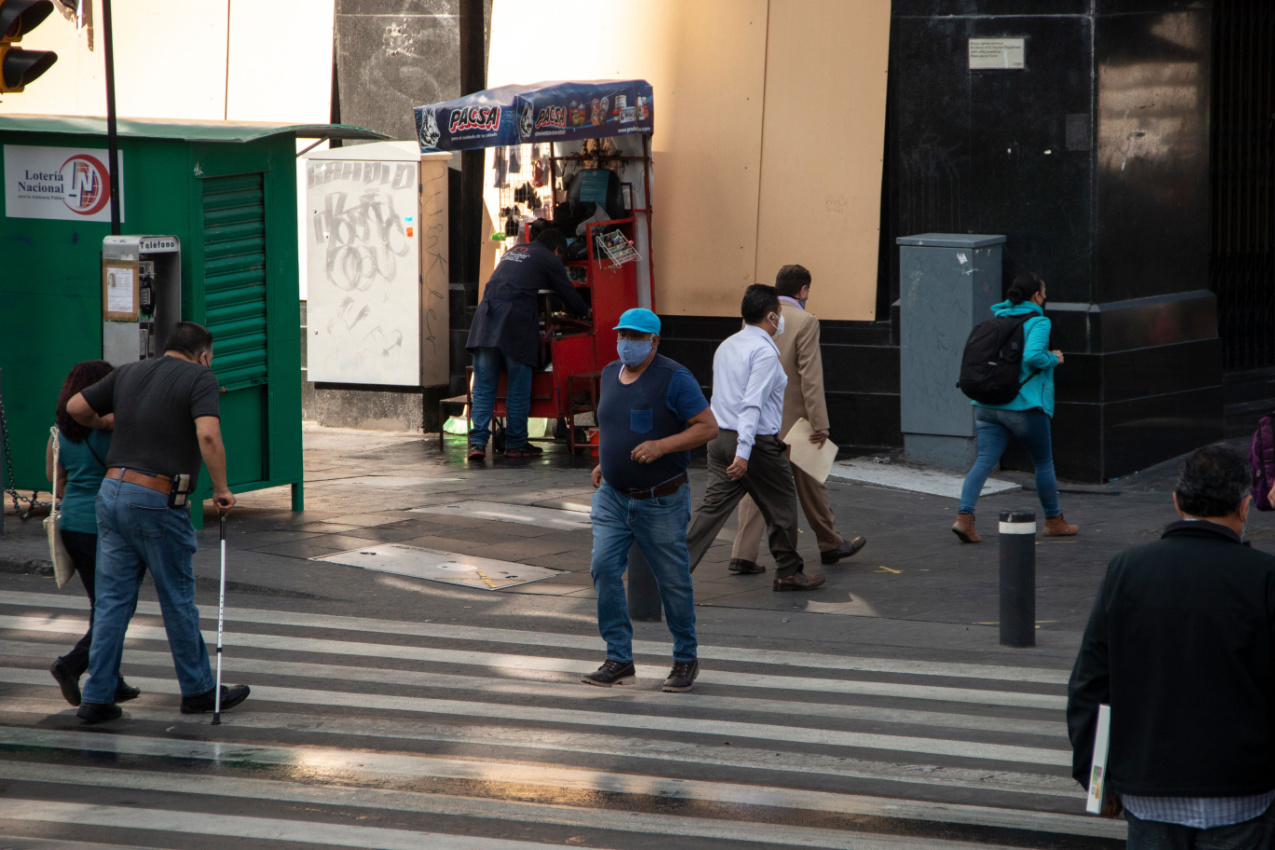
Mexico is a stunning country with so much to see,, but like any trip location, safety comes first when traveling there. While we have a whole guide that covers everything you need to know to have a safe trip to Mexico, we’ll also summarize some key points for you here.
The first thing you need to do is investigate the city or area you intend to visit before you plan your trip. Understand the local customs, culture, and laws of your desired location. Stay away from areas where drug trafficking is common or neighborhoods with a history of high crime.
Once in Mexico, always be mindful of your surroundings, especially in crowded places like markets and transport. Watch your possessions and try not to carry too much money or valuables.
If you need transportation, make sure the taxis are authorized. Don’t take unmarked cabs or accept rides from random people. And never travel at night, especially alone.
Pick hotels or vacation homes with a good reputation and security features. We’ve made a list of the finest ones above.
Be wary about approaching strangers. Don’t share too much personal information or accept invitations from someone you don’t know. Also, learning a few essential Spanish words and phrases might be helpful when visiting remote locations where English may not be widely spoken.
Keep your passport and other important documents safe, and most importantly, respect local traditions and practices, dress correctly, and refrain from acting in ways that can offend the community.
FAQ
Mexico is a country in southern North America that shares borders with Belize and Guatemala to the south and the United States to the north. It’s the 13th largest country in the world, with an area of over 1.96 million square kilometers (almost 758,000 square miles).
Fun fact! Mexico belongs to the Ring of Fire, an area around the Pacific Ocean famous for its seismic and volcanic activity. So their spicy food isn’t the only thing that’s flaming hot! Both are an accurate representation of the nation’s fiery spirit.
Mexico’s history is extensive and intricate. Indigenous peoples have lived there for over 10,000 years, and countless civilizations have prospered and perished throughout history.
The Maya, one of the most well-known Mexican civilizations, lived in southern Mexico’s Yucatan Peninsula from roughly 2000 BCE to the 16th century CE. They’re renowned for their advanced agricultural techniques, spectacular architecture, mathematics, and calendar system.
Another notable ancient civilization in Mexico was the Aztecs. They flourished in the thirteenth century and were well-known for their religious traditions, which included human sacrifice, as well as for their military might and intricate social structure.
The Spanish conquistadors, who arrived in Mexico in the 16th century and established Spanish colonial rule, overthrew the Aztecs, and the indigenous population of Mexico adopted the Spanish language and culture. Ever since a unique mix of indigenous and Spanish civilizations have lived in the territory.
Mexico declared itself a republic at the beginning of the 19th century and broke away from Spain. Nevertheless, throughout the 19th and 20th centuries, political unrest and conflict plagued the country, including the 1910–1920 Mexican Revolution.
After the Mexican Revolution, Mexico underwent a social, economic, and political transformation. It established a new constitution, land reform programs, and nationalization of key industries. Today, Mexico is a lively, multicultural nation with a developing economy and a modern democratic system.
Check out 10 Mexican Culture & Traditions You Should Know Before Visiting.
Mexico’s topography is a rich canvas painted with stunning and diverse landscapes, from rocky mountains and wide-open deserts to lush rainforests and sunny beaches.
North Mexico is home to vast deserts, impressive rock formations, and canyons. South Mexico is a pinpoint of Mayan historical sites and rich tropical jungles. The Mexican Plateau dominates the country’s central region and is encircled by volcanic peaks, grasslands, rolling hills, and mountains. The Caribbean Sea and the Gulf of Mexico are on Mexico’s east coast, renowned for their crystal-clear waters, white sand beaches, and beautiful coral reefs. The west coast of Mexico faces the Pacific Ocean and is characterized by rugged mountains and cliffs that drop down to beautiful beaches and secluded coves.
Bold and spicy flavors, fresh ingredients, and a wide variety of meats make the hallmarks of Mexican cuisine. From street food to high-end restaurants, there’s something to suit every palate!
The tortilla, a flatbread made of corn or wheat, is the first traditional food that comes to mind when discussing Mexico. Tacos, enchiladas, tamales, and quesadillas are all dishes made with tortillas!
Mexican cuisine also features a range of tasty soups, stews, and chili dinners, such as pozole, menudo, and chili con carne. Seafood is also popular in coastal regions, with staple dishes including ceviche and shrimp cocktails.
Along with its savory dishes, Mexican cuisine is famous for its sweet treats like hot chocolate, flan, and tres leches cake.
As a finishing touch, no dinner would be complete without trying a traditional Mexican beverage like Mexican horchata or a margarita.
Check out 15 Traditional Mexican Foods to Try.
Conclusion
Mexico is a fantastic tourist destination with an intriguing history, a lively culture, breathtaking natural beauty, and delectable cuisine.
So which destination has won your heart?
Would you like to walk around the crowded streets of Mexico City, lay on the laid-back beaches of Puerto Vallarta, or go to the action-packed attractions of Cancun?
Whichever destination you go for, a range of charming and secure accommodation options are available, regardless of your budget or demand for luxury!
So stay safe, rest, unwind, and prepare yourselves for beautiful wonders an
